lazizi
- December 8, 2025
In Talek, communities face limited income opportunities, rising poultry-farming costs, and unmanaged waste that affects both the environment and livelihoods. Women and youth are especially affected, with fewer pathways to decent and reliable work. The Lazizi Welfare Foundation is responding by planning inclusive, circular, and skills-based solutions.
LWF is preparing to introduce waste-management skills training that will equip women, youth, and vulnerable groups with practical knowledge while promoting decent work and equal participation. We are also planning a Centralized Waste Management Point at Talek Centre, which will support recycling and create waste-to-work opportunities that turn waste into meaningful jobs.

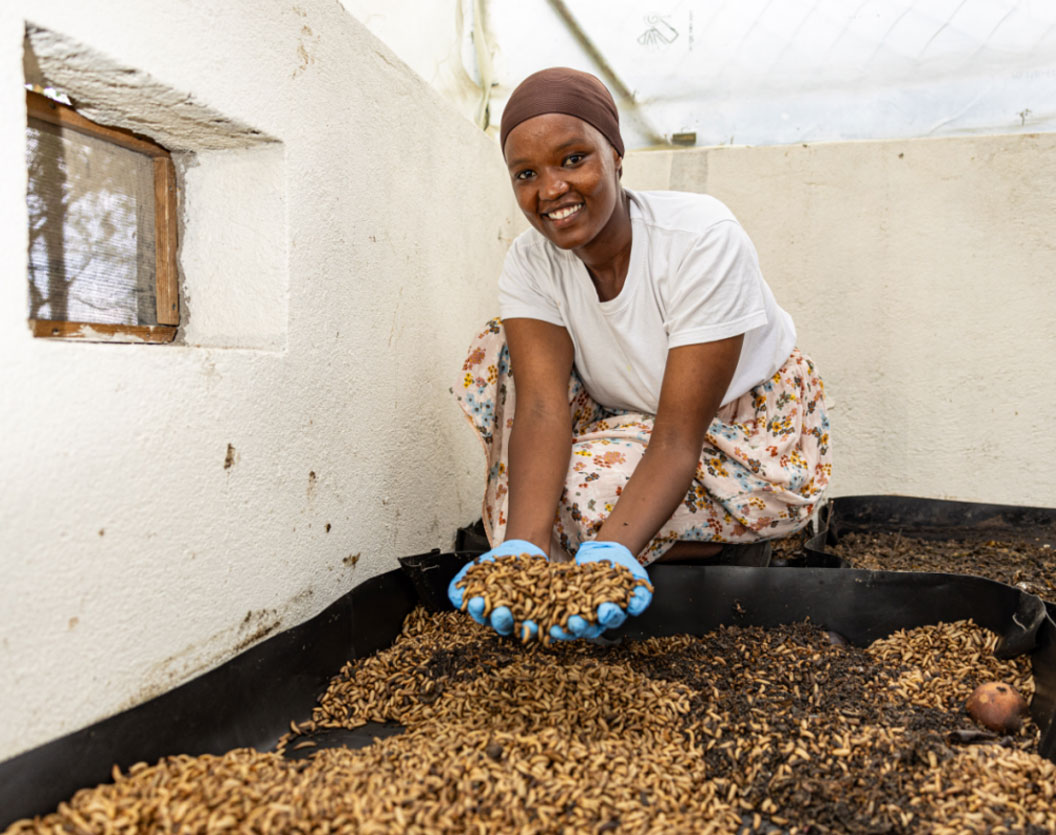
To diversify incomes further, LWF will support artifact production, encouraging the creation of cultural and recycled-material products that open creative and marketable livelihood options. We are also developing a system to convert organic food waste into alternative protein for poultry feed—an innovation expected to cut poultry-farming costs by up to 40% and help more households start or expand poultry farming. Through these planned initiatives—waste-to-work, artifacts, and inclusive skills development—LWF aims to create cleaner environments, stronger incomes, and accessible, decent work for the Talek community.