Protecting nature is central to our purpose and long-term sustainability vision.
The Lazizi Welfare Foundation is deeply committed to climate action through two core thematic areas; Species Biodiversity Monitoring and Habitat Restoration. Our conservation work focuses on life on land and life below water, with a flagship commitment to restoring the vitality of the Sand River ecosystem in the Masai Mara. By combining science-based monitoring, community collaboration, and guest engagement, we strive to preserve Kenya’s natural heritage for generations to come.
Impact & Vision
Our conservation initiatives embody a holistic approach bridging science, community, and sustainability. By restoring habitats, empowering rangers, and engaging travelers in purposeful experiences, the Lazizi Welfare Foundation seeks to protect the Mara’s biodiversity while setting a benchmark for responsible tourism and corporate environmental stewardship. Together, we are rewilding the future one ecosystem at a time.
Our Approach & Strategic Initiatives
Species Biodiversity Monitoring: We are implementing a comprehensive biodiversity monitoring program to better understand and protect the region’s wildlife:
- Camera Traps: Infrared camera traps will track wildlife movement, helping us map species behavior and develop science-driven ecosystem plans.
- Ranger Programs: We are supporting ranger teams across the greater Mara, with a focus on female ranger empowerment and the Maasai Mara Rhino Unit, ensuring inclusive stewardship of wildlife.
- Animal Tracking: By sponsoring GPS collars for species such as cheetahs, lions, and giraffes, we aim to monitor migration corridors and refine conservation strategies through real-time data.
Habitat Restoration
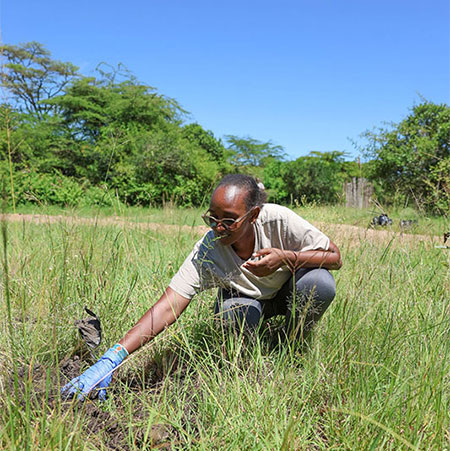
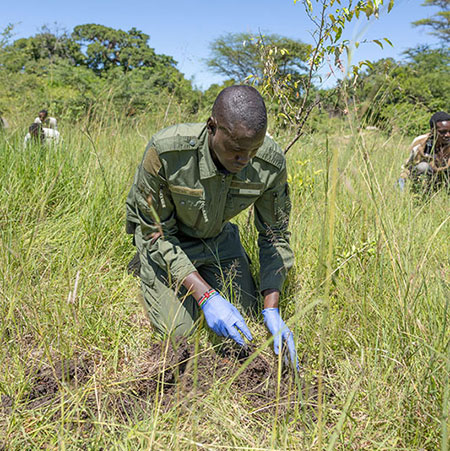
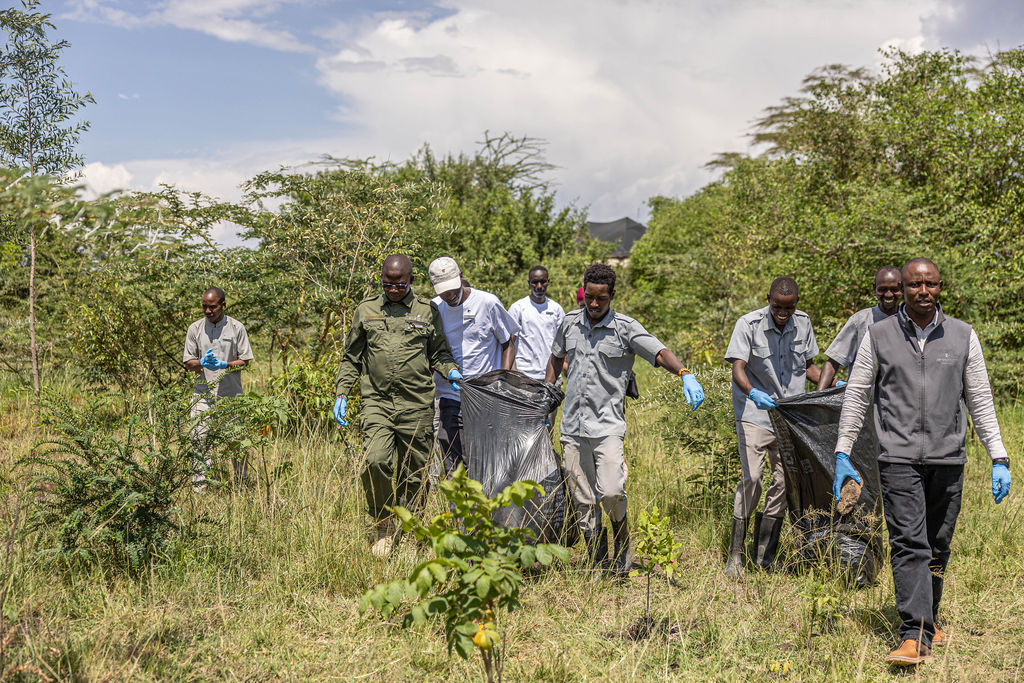
In partnership with leading conservation organizations, our habitat restoration initiatives are focused on regenerating degraded riparian forests and wetlands along the Sand River to serve as vital ecological offsets. Guests at The Ritz-Carlton, Masai Mara Safari Camp are invited to participate in tree-planting experiences that connect meaningful travel with measurable environmental impact. Our flagship project; the restoration of Morijo Springs, is being carried out in collaboration with the local community to rehabilitate the catchment area and restore the river’s natural flow.
Complementing this, multiple riverine restoration projects are underway downstream as we continue to rewild the landscapes surrounding The Ritz-Carlton, Masai Mara Safari Camp.
To ensure lasting progress, infrared camera traps are being installed to monitor ecosystem health and inform a data-driven environmental management plan, supporting our long-term vision for a thriving, balanced ecosystem.
The Conservation Hub
The Lazizi Welfare Foundation is establishing an in-house Conservation Hub at The Ritz-Carlton, Masai Mara Safari Camp to advance research, education, and public engagement. Key focus areas include:
- Conducting baseline ecological assessments, hydrological mapping, and camera trap analysis.
- Hosting biodiversity monitoring and conservation training programs for scientists and guests.
- Partnering with key environmental organizations to design restoration plans prioritizing native species.
- Offering live wildlife feeds within guest areas to inspire awareness and connection to nature.
Sustainable Conservation Through Responsible Waste Management
Our approach is anchored in sustainable waste management that simultaneously drives climate action and community empowerment.
We manage both organic and inorganic waste streams guided by the Reduce, Reuse, and Recycle principles of the circular economy:
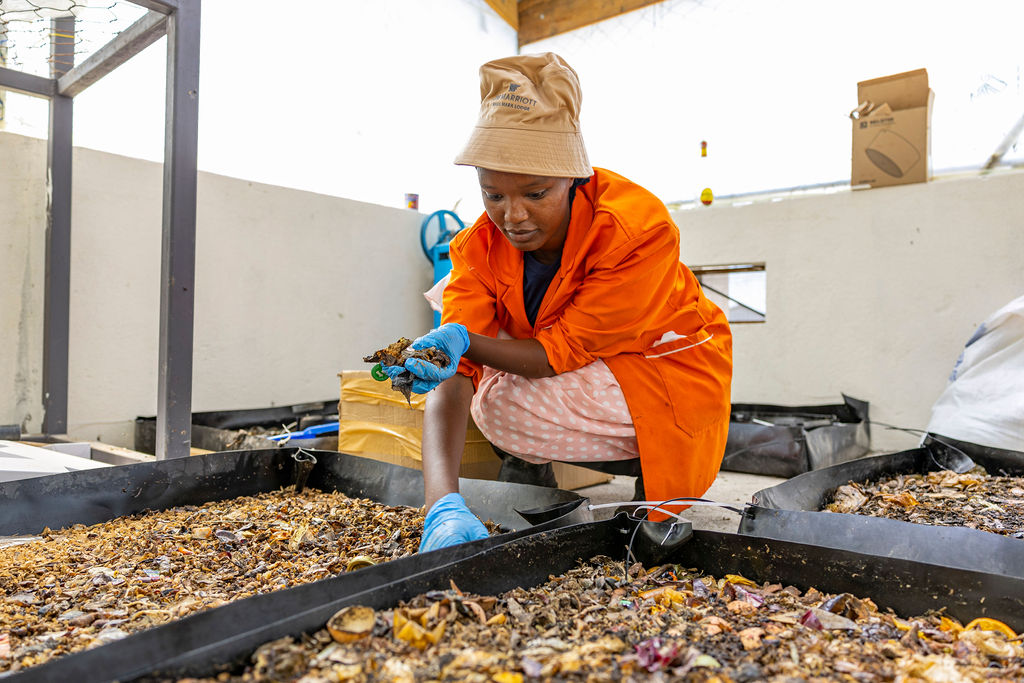
- Organic Waste:We utilize efficient, climate-smart methods (like Black Soldier Fly technology) to convert waste, a leading source of greenhouse gas emissions, into valuable resources. This significantly reduces carbon and methane release, fostering a cleaner environment.
- Inorganic Waste:We transform materials like plastics, paper, and glass into useful, high-impact products through recycling and upcycling. This alleviates landfill pressure and generates income.
We view every piece of waste as a valuable raw material. Our work proves that responsible waste management is a powerful tool for building resilient communities, supporting sustainable livelihoods, and ensuring long-term conservation impact for both people and wildlife.